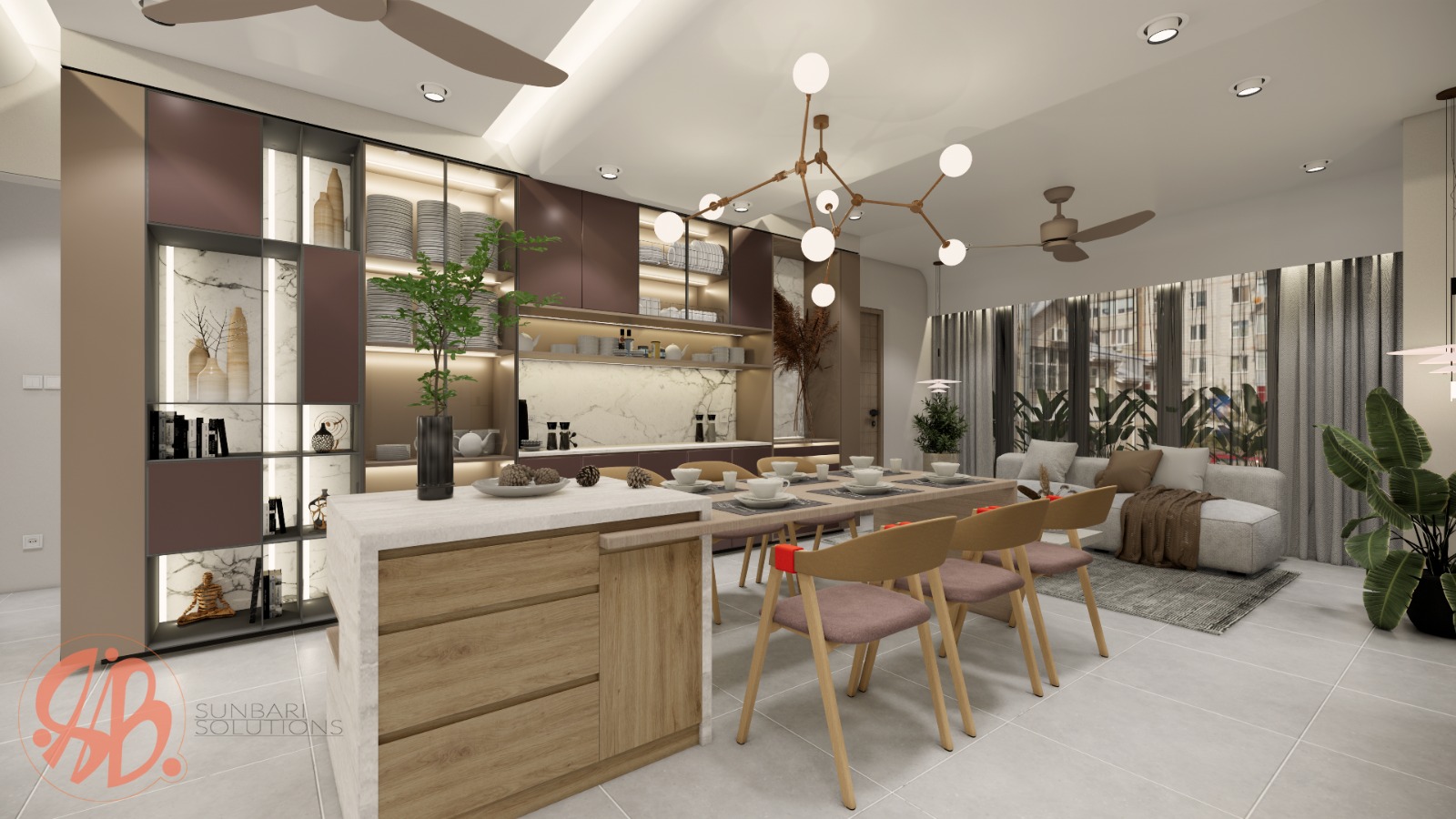
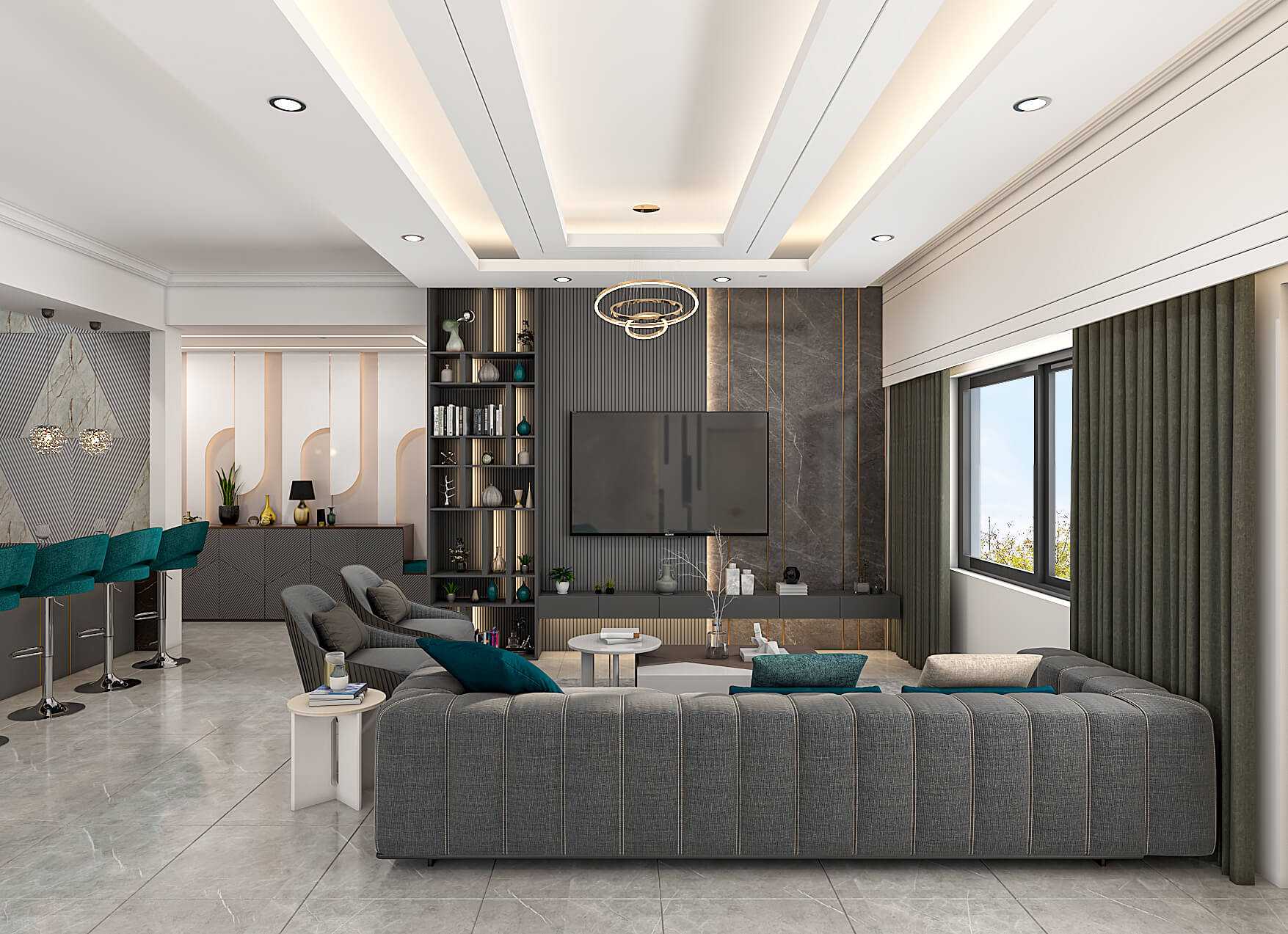
Transforming Your Home with the Right Lighting
Blog: “Transforming Your Home with the Right Lighting: A Complete Guide”
Introduction
Lighting is more than just a functional aspect of your home—it has the power to change the ambiance, highlight architectural details, and influence your mood. Whether you want to create a cozy haven, a vibrant workspace, or a dramatic focal point, the right lighting can make all the difference. In this guide, we’ll explore how to effectively use lighting to elevate your home’s design.
1. Understand the Types of Lighting
- Ambient Lighting: The primary source of light that illuminates the entire room (e.g., ceiling lights, chandeliers).
- Task Lighting: Focused lighting for specific activities like reading, cooking, or working (e.g., desk lamps, under-cabinet lights).
- Accent Lighting: Decorative lighting that highlights art, architectural features, or focal points (e.g., spotlights, wall sconces).
- Natural Lighting: Maximizing sunlight to enhance mood and energy.
2. Tailor Lighting to Each Room
- Living Room:
- Use layered lighting to create a mix of ambient and accent lighting.
- Incorporate dimmer switches for flexible mood adjustments.
- Highlight a feature wall or artwork with track lighting.
- Kitchen:
- Focus on task lighting under cabinets and above countertops.
- Pendant lights over islands add style and functionality.
- Ensure even ambient lighting for the entire space.
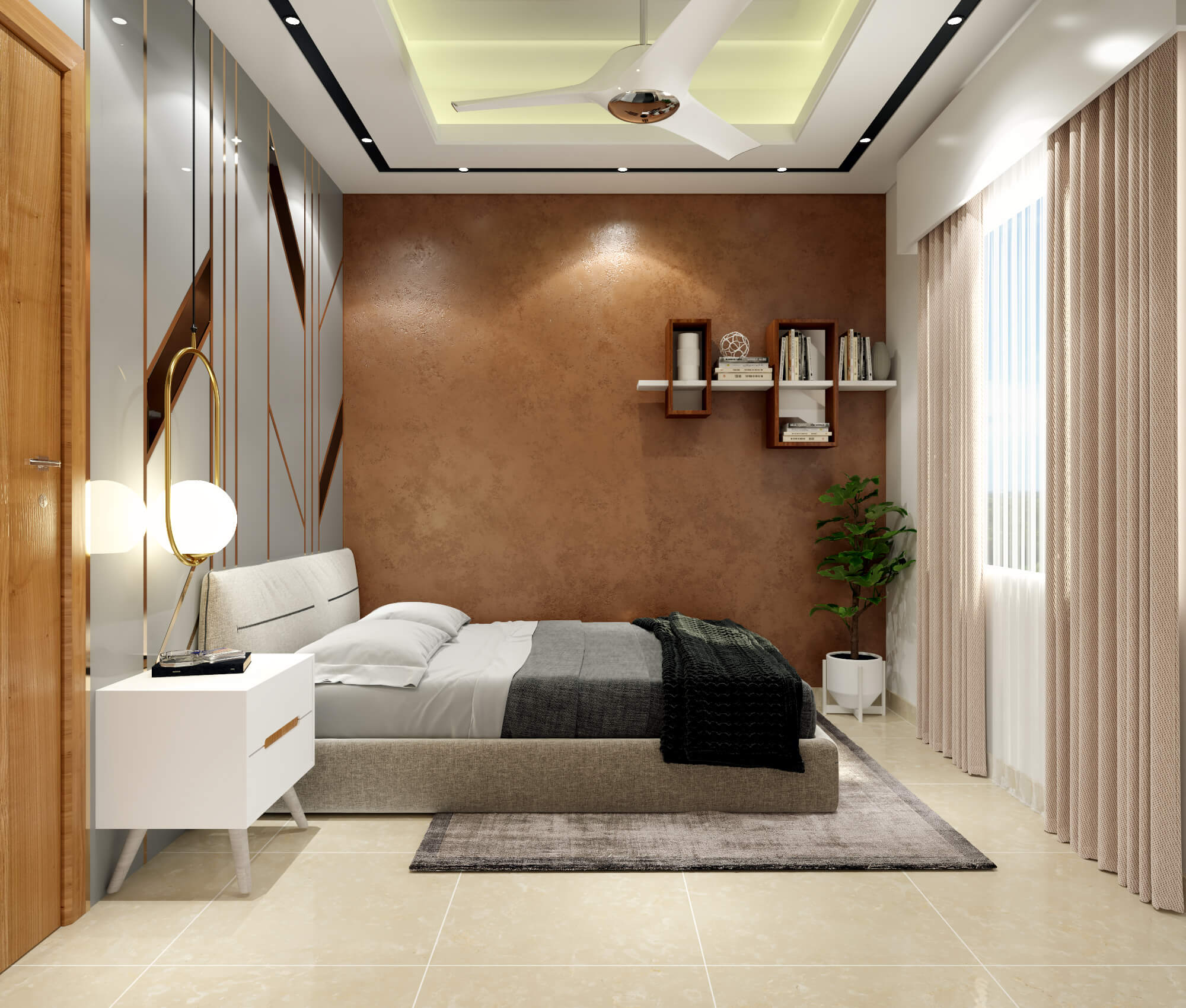
- Bedroom:
- Create a soothing atmosphere with warm-toned lights.
- Use bedside lamps or wall-mounted sconces for reading.
- Add soft, hidden LED strips under beds or shelves for subtle illumination.
- Bathroom:
- Use bright, shadow-free lighting for vanity areas.
- Incorporate waterproof LED lights for showers or bathtubs.
- Consider dimmable lights for a relaxing spa-like feel.
- Home Office:
- Opt for bright, focused task lighting that reduces glare on screens.
- Balance natural and artificial light for long hours of productivity.
3. Play with Lighting Design Trends
- Statement Fixtures: Use bold chandeliers or sculptural lamps to make a statement.
- Smart Lighting Systems: Control brightness, color temperature, and schedules with smart devices.
- Layered Lighting: Combine different types of lighting for depth and versatility.
- Color-Changing LEDs: Add a dynamic element with lights that can shift colors for various moods.
4. Choosing the Right Light Bulbs
- Warm vs. Cool Tones: Warm lights (2700K–3000K) create a cozy feel, while cool lights (4000K–5000K) are ideal for task-oriented areas.
- Energy-Efficient Options: LED and CFL bulbs save energy and last longer.
- Dimming Compatibility: Ensure your bulbs and fixtures are compatible with dimmer switches for flexibility.
5. Enhance Space with Strategic Lighting Placement
- Highlight Vertical Space: Use uplights or wall sconces to make a room feel taller.
- Mirrors and Lighting: Place lights near mirrors to amplify brightness and create depth.
- Lighting Zones: Divide open-concept areas with different lighting layers to define zones.
6. Incorporate Outdoor Lighting
- Pathway Lights: Add safety and style to walkways and driveways.
- Ambient Garden Lighting: Use soft lights to highlight landscaping or water features.
- Security Lights: Motion-sensor lights for entrances and dark areas of the property.
Conclusion
Lighting has the power to transform your home by enhancing its functionality, aesthetics, and atmosphere. With the right strategy, you can create a space that reflects your personal style and meets your everyday needs.
Call-to-Action
Need expert help to illuminate your home beautifully? Contact Ledpen Interior for tailored lighting solutions that combine functionality with stunning design.


Related Posts
Eco-Friendly Interior Design Ideas for a Sustainable Home
Designing the Perfect Kitchen Interior
Interior Design for Compact Homes